

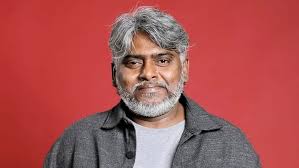




The entertainment industry often projects an image of progress and inclusivity. However, reality sometimes reveals a much darker underside. The recent experiences shared by veteran actor Dibyendu Bhattacharya have sparked a necessary and overdue conversation regarding systemic racism and colorism within the Indian film and television landscape. Known for his powerhouse performances in projects like Criminal Justice, Dev.D, and Rocket Boys, Bhattacharya has become a pivotal voice for those marginalized by the industry’s aesthetic biases.
A Career Built on Talent Amidst Prejudice
Dibyendu Bhattacharya is a name synonymous with versatility. Having spent decades honing his craft, he has consistently delivered performances that anchor complex narratives. Yet, his journey has been anything but smooth. In recent disclosures, the actor opened up about the blatant discrimination he faced during the early stages of his career, specifically targeting his skin tone and physical appearance.
The actor revealed that despite his immense talent and training from prestigious institutions like the National School of Drama, he was often sidelined for roles based on archaic beauty standards. The “fair is beautiful” trope that has long plagued Indian society found a stronghold in Bollywood, where casting directors frequently prioritized complexion over acting prowess.
The Reality of Colorism in Casting Offices
The racism Bhattacharya describes is not always loud or aggressive; often, it is a quiet, systemic exclusion. He recounted instances where he was told he did not “look the part” for lead roles, a coded phrase frequently used to exclude actors of darker complexions. This form of colorism suggests that protagonist roles are reserved for those with lighter skin, while darker skinned actors are relegated to stereotypical roles such as villains, laborers, or sidekicks.
By speaking out, Bhattacharya highlighted how these biases affect the mental health and professional growth of countless artists. When an actor of his caliber is subjected to such treatment, it raises a chilling question about how many other talented individuals have left the industry because they were made to feel inadequate due to their skin color.
Challenging the Status Quo
The response to Dibyendu’s revelations has been a mix of shock and solidarity. Many fellow actors and fans have rallied behind him, acknowledging that the “fairness obsession” is a deep rooted issue that needs to be dismantled. His courage lies in the fact that he chose to address these issues while still being an active and successful member of the fraternity.
Bhattacharya’s stance is a call for a meritocratic system where the only criteria for a role is the ability to portray a character authentically. He emphasizes that cinema is a reflection of society, and by excluding diverse skin tones from lead narratives, the industry provides a distorted and harmful version of reality to its audience.
The Long Road to Inclusive Storytelling
While there has been a slight shift with the advent of OTT platforms providing more space for character driven stories, the battle against racism and colorism is far from over. The global success of diverse stories proves that audiences care about talent and authenticity, not the shade of an actor’s skin.
The Dibyendu Bhattacharya case serves as a landmark moment for the Indian entertainment industry. It is a reminder that silence often equals complicity. To truly evolve, production houses and casting agencies must implement sensitivity training and consciously work toward inclusive casting calls.
Leave a Reply