

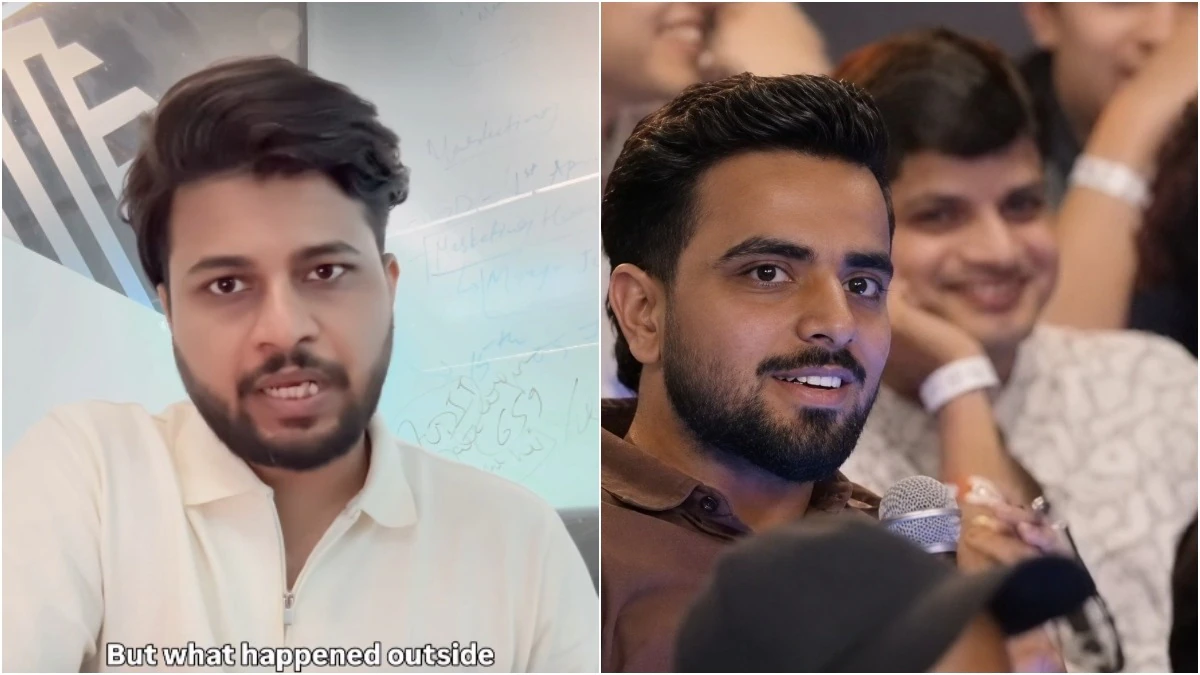




What started as a casual crowd work interaction at a stand up comedy show has quickly snowballed into a national conversation about dating etiquette, patriarchal entitlement, and digital accountability. A viral clip featuring comedian Pranit More and a twenty three year old audience member from Gurugram has captured public attention for all the wrong reasons. The incident, now widely known as the Rs 370 biryani row, highlights a troubling mindset that many women face in modern dating.
The Incident That Sparked Online Outrage
During a live comedy performance, an audience member named Himanshu Jangra shared a story about a recent date. He explained that he had bought a plate of chicken biryani worth Rs 370 for a woman. According to his account, when the woman later requested to be dropped home, he felt entitled to sexual favors simply because he had paid for her meal.
His exact words, “Maine kaha Rs 370 lage hain, main wasool toh karunga” (I spent Rs 370, so I will get my money’s worth), shocked viewers. The situation escalated in the video as he described coercing the visibly hesitant woman into accompanying him to a dark park after nightfall. Instead of challenging the narrative, the comedian laughed and labelled it as peak Gurugram content, which further intensified the internet backlash.
Real World Consequences and Corporate Accountability
The digital backlash was swift and severe. Social media users collectively condemned the remarks, pointing out that paying for dinner does not buy consent. The public outrage soon reached the tech developer’s workplace, a Gurugram based branding firm called Starvik Design.
Within days, the company founder released a video statement announcing the immediate termination of the employee. While an internal review showed no complaints against him inside the office, the employer stated that the offensive remarks made outside the workplace had begun affecting the company culture and reputation. The swift firing has divided opinion online, with some applauding the corporate stance against misogyny, while others debate the boundaries of corporate policing over private lives.
Parsing the Apologies and Content Responsibility
As the controversy grew, both the audience member and the comedian issued public apologies. The young web developer deactivated his social media accounts after issuing an apology, while Pranit More released a statement admitting to a lapse in judgment. More acknowledged that he should have questioned the toxic remarks during the show rather than laughing and moving on.
However, internet users and influencers criticized the comedian’s apology. Critics noted that the crowd work clip was deliberately edited and uploaded to social media by the production team because they initially found the toxic entitlement funny. This has triggered a deeper look into the modern stand up comedy scene in India, where creators often chase viral views by promoting shock value and problematic audience interactions.
The Deeper Issue of Transactional Dating Mindsets
The true reason this incident went viral is that it reflects a widespread, systemic issue rather than an isolated joke. The Rs 370 biryani remark lays bare a deeply entrenched patriarchal belief that relationships and dates are transactional. For many, spending a nominal amount of money apparently translates into ownership over a woman’s time, body, and consent.
The fact that the individual felt comfortable narrating a story of coercion on a microphone in front of a large crowd shows how normalized these attitudes remain. It underscores how easily safety boundaries are disregarded when a small financial transaction takes place.
Leave a Reply