

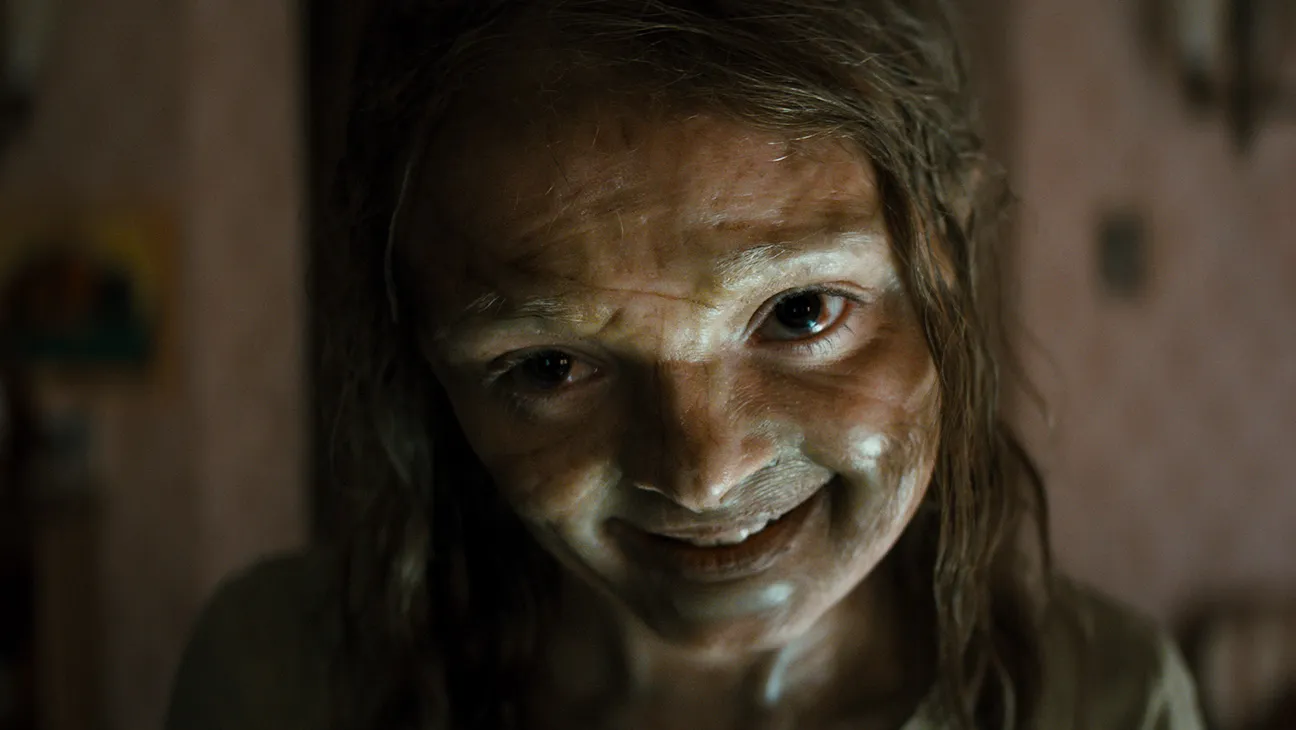




The cinematic landscape of ancient curses and wrapped remains has long been dominated by either swashbuckling adventures or vintage black and white chills. However, Lee Cronin, the mastermind who recently re-energized the Deadite franchise, has turned his sights toward the sands of Egypt. In this reimagining of The Mummy, Cronin ditches the breezy action of the late nineties in favor of a claustrophobic, visceral horror experience that feels both refreshingly modern and anciently malevolent.
A Visionary Director Takes the Helm
Lee Cronin has carved a niche for himself by exploring the darker corners of human isolation and supernatural intrusion. Much like his previous work, this film prioritizes atmosphere over cheap jump scares. From the opening frames, it is clear that Cronin intended to strip away the “superhero” feel of recent monster movies. Instead, he treats the titular creature as a relentless, decaying force of nature. The cinematography leans heavily into deep shadows and earthy palettes, making the golden treasures of the tomb feel more like a gilded cage than a prize.
Plot Mechanics and Narrative Tension
The story follows a team of archaeologists who stumble upon a site that was never meant to be recorded in history books. Unlike previous iterations where the protagonist is an invincible soldier of fortune, our lead characters are vulnerable and academically driven, which heightens the stakes significantly. When the seal is broken, the consequences are not merely global but deeply personal.
Cronin utilizes a “ticking clock” narrative structure that keeps the audience in a state of constant unease. The pacing is deliberate, allowing the dread to simmer before boiling over into the final act. By focusing on the psychological toll of the curse, the film manages to make the supernatural feel grounded in a terrifying reality.
Visual Effects and Creature Design
One of the standout elements of this review must be the creature design itself. In an era where CGI often diminishes the impact of horror, Cronin opts for a heavy blend of practical effects and seamless digital enhancement. This Mummy is not a glowing sandstorm or a nimble martial artist. It is a shambling, moisture-deprived nightmare.
The detail on the bandages and the withered flesh is stomach-turning in the best way possible. Every movement of the antagonist feels labored and heavy, suggesting a body that has fought against the passage of millennia. This physical presence makes the encounters feel dangerous and tactile, echoing the body horror elements that Cronin has mastered in his earlier career.
Soundscapes of the Sahara
The auditory experience of the film is just as vital as the visuals. The score avoids the bombastic brass sections typical of the genre, opting instead for discordant strings and low-frequency hums that vibrate in the viewer’s chest. The sound design captures the whistling of wind through stone corridors and the rhythmic, dry rasp of the Mummy’s breath, creating an immersive environment that demands to be experienced in a theater setting.
Themes of Obsession and Mortality
At its core, Cronin’s film is a meditation on the human desire to conquer time. The archaeologists are driven by a need for legacy, while the antagonist is driven by a refusal to stay dead. This thematic tug of war gives the movie a layer of depth that elevates it above a standard monster flick. It asks the audience what price they would pay for eternal life and suggests that some things are better left buried in the dust.
The Verdict on a Modern Classic
Lee Cronin’s The Mummy is a triumph of tonal consistency and creative direction. It successfully reclaims the character from the realm of action-comedy and places it firmly back into the pantheon of horror. While some fans of the Brendan Fraser era might miss the lighthearted quips, most will find that this darker, more serious approach is exactly what the Universal Monsters needed. If you are looking for a film that respects the mythology while carving out a terrifying new path, this is a must-watch. It is a suffocating, beautiful, and genuinely frightening addition to the genre that proves some legends never truly die—they just wait for the right director to dig them up.
Leave a Reply