

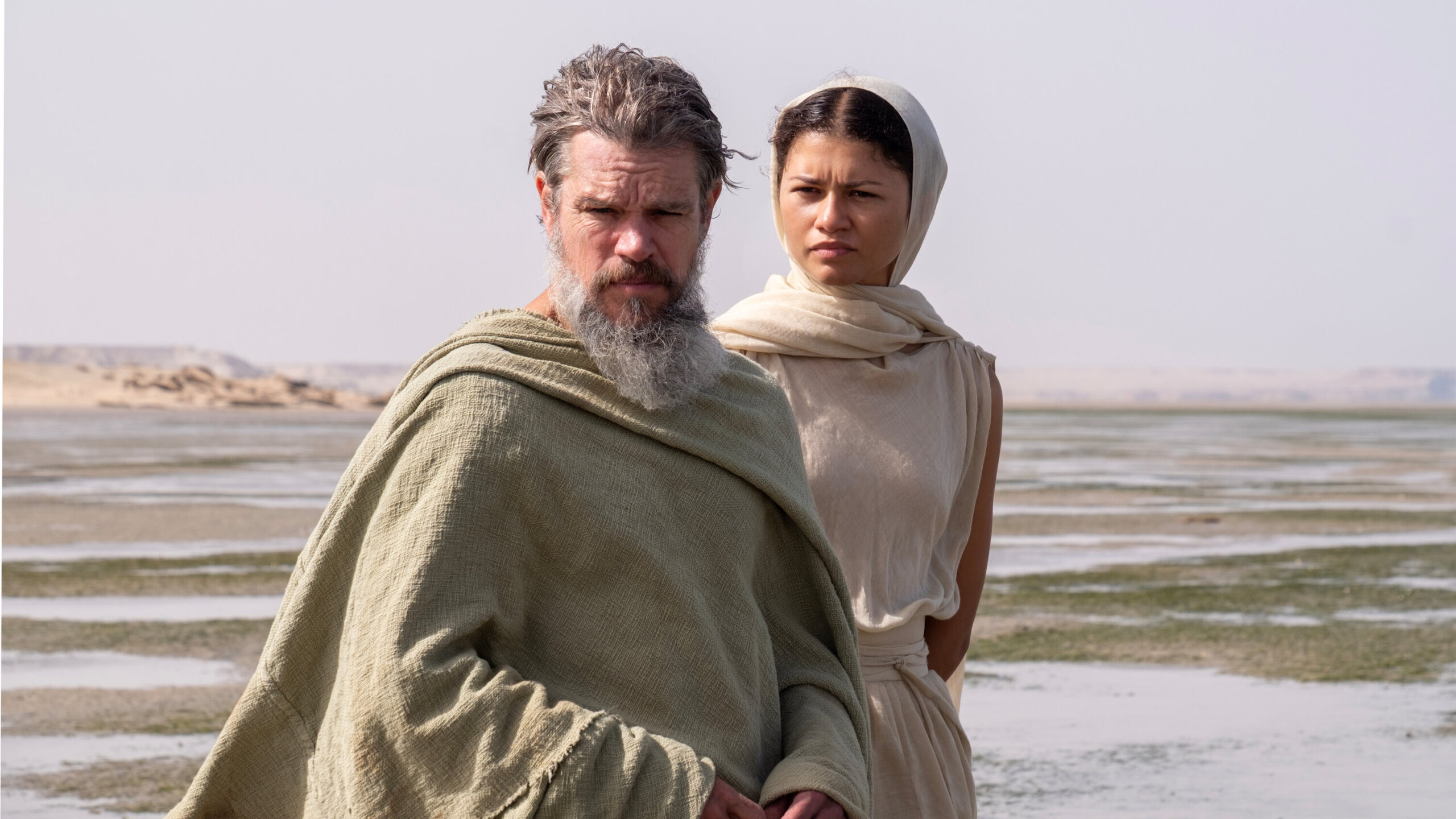




The challenge of adapting a three thousand year old literary pillar into a modern blockbuster is a task few directors would dare to touch. Yet, Christopher Nolan has done exactly that, delivering a monumental cinematic achievement with his latest film, The Odyssey. Clocking in at an epic one hundred seventy three minutes, this is not just another summer blockbuster. It is a deeply visceral, emotionally complex, and visually staggering exploration of trauma, guilt, and the desperate yearning for home.
Filmed entirely on IMAX seventy millimeter cameras, Nolan treats this ancient Greek myth not as a distant fantasy, but as an intimate human struggle blown up to a cosmic scale.
A Flawed Hero for a Modern Age
At the absolute center of this colossal film is Matt Damon, who delivers a career defining performance as Odysseus, the wily king of Ithaca. Rather than portraying him as a flawless, deified superhero, Damon presents a war weary soldier carrying what Nolan calls the darkness of victory. Odysseus is brilliant and resourceful, but his intense pride constantly clashes with his moral compass.
Damon underwent an intense physical transformation for the role, and it shows in every frame. His performance captures the raw, agonizing weight of a man who won a ten year war through deception, only to realize that his cunning has unleashed a cascade of divine consequences.
A Stellar Ensemble that grounds the Spectacle
While Damon carries the emotional weight of the journey, the massive supporting cast provides the film with its true humanity.
- Anne Hathaway as Penelope: Hathaway brings a quiet, fierce dignity to the queen of Ithaca, waiting decades while navigating a court overrun by hostile suitors.
- Tom Holland as Telemachus: Holland strips away his usual youthful bravado to play a vulnerable prince growing up under the shadow of a legendary, absent father.
- Robert Pattinson as Antinous: Pattinson shines as the lead suitor, bringing a sleazy, manipulative energy that makes him a highly effective human antagonist.
- Zendaya as Athena: Zendaya brings an ethereal, authoritative presence to the goddess of wisdom, guiding Odysseus through his trials.
Even smaller roles, like Lupita Nyong’o as Helen of Troy, are given extraordinary depth. In one of the most powerful scenes of the film, Helen firmly reframes the narrative of the Trojan War, reminding the audience that the bloody decade of conflict was fought in her name, but not because of her.
Breathtaking Practical Effects and Audio Mastery
In an era dominated by weightless computer graphics, Nolan’s commitment to analog, practical filmmaking feels revolutionary. The roaring oceans, collapsing Trojan structures, and even the terrifying encounters with mythical beasts like the Cyclops feel incredibly tactile. When a massive wave hits Odysseus’s fleet, you can practically feel the cold spray and the terrifying gravity of the situation.
Complementing these overwhelming visuals is a spectacular, driving score by Ludwig Göransson. The music does not merely back up the action; it matches the psychological state of the characters. It utilizes thudding drums and discordant ancient themes to evoke a primal, almost horror like tension during the film’s darkest chapters.
The True Cost of War and Homecoming
Ultimately, The Odyssey is a profound meditation on the psychological wounds of combat. The physical monsters Odysseus fights on his ten year journey home are stunning, but the internal battle against his own guilt is what truly delays him. The film brilliantly explores the concept of spiritual displacement, showing how difficult it is for a soldier to reclaim his peace of mind after years of bloodshed.
When the film reaches its relentless, thirty minute final act, the long awaited homecoming is both thrilling and tragic. It leaves the audience to ponder a haunting question: can a man ever truly return to the home he left behind, or does war change him too much to ever truly go back?
Nolan has crafted a masterpiece that demands to be seen on the largest screen possible. It is a rare, uncompromising epic that respects both its ancient origins and the intelligence of its modern audience.
Leave a Reply