

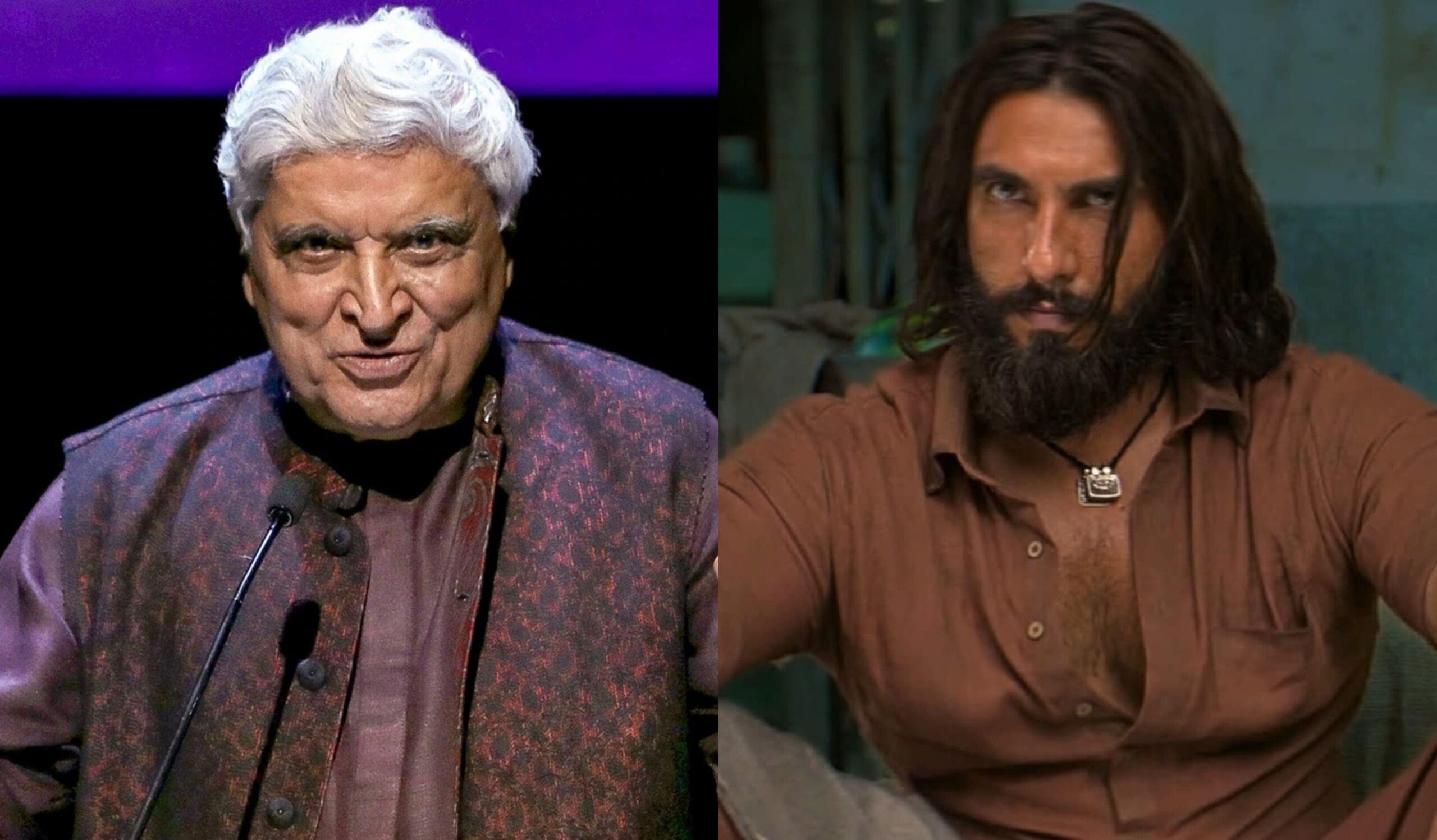




The Indian film industry has long been a battlefield for narratives. When a film touches on sensitive social or political themes, it inevitably finds itself under the microscope of public and critical scrutiny. The latest cinematic offering to spark this intense debate is Dhurandhar. While the film has garnered significant attention for its storytelling and performances, it has also been hit with the heavy label of being a “propaganda film.”
Stepping into this heated discourse is the legendary lyricist and screenwriter Javed Akhtar. Known for his unapologetic views and deep understanding of Indian heritage and cinema, Akhtar has come out in strong defense of the project. His reaction has not only trended across social media but has also reopened the vital conversation regarding the thin line between thematic storytelling and political messaging.
Understanding the Controversy Surrounding Dhurandhar
To understand why Javed Akhtar felt the need to speak out, one must look at the reception of Dhurandhar. From its very first trailer, the film was accused by certain sections of the audience and critics of leaning too heavily into a specific ideological narrative. The term “propaganda” is often used as a weapon in modern film criticism to dismiss works that appear to align with a particular political agenda rather than focusing on objective truth or artistic nuance.
Critics of the film argue that it simplifies complex historical or social realities to suit a specific viewpoint. They suggest that the character arcs and plot points are designed more to influence the audience’s political leanings than to provide a balanced cinematic experience. It is this specific brand of criticism that Akhtar has chosen to address head on.
Javed Akhtar on the Nuance of Perspective
In a recent public interaction, Javed Akhtar expressed his frustration with the ease with which the term propaganda is tossed around in contemporary times. He argued that every storyteller possesses a lens through which they view the world. According to Akhtar, if a filmmaker shares a perspective that aligns with a personal or social truth they believe in, it should be categorized as a “point of view” rather than a calculated piece of indoctrination.
Akhtar emphasized that cinema has always been a reflection of society. He pointed out that some of the greatest classics in world cinema were deeply political. For him, the merit of a film should be judged by its craft, its emotional resonance, and its ability to engage the viewer, rather than just the political discomfort it might cause a certain demographic. He urged the audience to look beyond the labels and engage with the content of Dhurandhar as a piece of art.
The Difference Between Art and Agenda
One of the most profound points made by the veteran writer was the distinction between an artist having an opinion and a film being a tool for a movement. Javed Akhtar noted that when a writer sits down to create a script, they are influenced by their surroundings, their upbringing, and their values. If those values translate onto the screen, it is a sign of an honest creator.
He challenged the idea that only “neutral” films are valid. In his view, a neutral film is often a boring one. By defending Dhurandhar, Akhtar is essentially defending the right of the filmmaker to be bold and provocative. He suggested that calling a film propaganda is often a way to silence a narrative that people find difficult to digest.
The Impact of Celebrity Voices on Film Discourse
When a figure as influential as Javed Akhtar speaks, the industry listens. His defense of Dhurandhar has shifted the narrative from a purely political debate to one about creative freedom. His intervention serves as a reminder that the film industry must remain a space where diverse voices can coexist, even if those voices are polarizing.
By standing up for the film, Akhtar has encouraged a more sophisticated level of film criticism. He is asking viewers to move past the knee jerk reactions fueled by social media trends and instead analyze why a film makes them feel a certain way. This dialogue is essential for the growth of Indian cinema, ensuring that filmmakers are not afraid to tackle difficult subjects for fear of being labeled.
Leave a Reply