

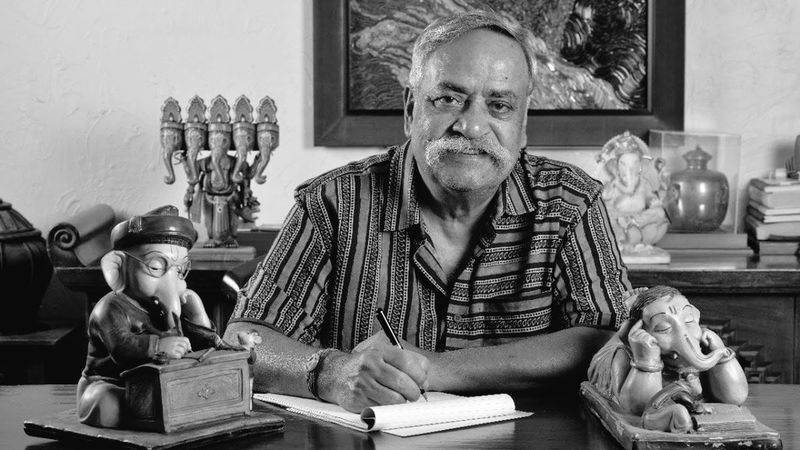




On October 24, 2025, India lost one of her most legendary creative geniuses, Piyush Pandey, the genius behind some of India’s most memorable commercials ever. His passing at 70 has seen the world of advertising wincing at the loss of a visionary who revolutionized how brands addressed common Indians.
From Fevicol’s tongue-in-cheek ad campaigns to Vodafone’s endearing pug commercial, Piyush Pandey advertisements were not advertisements at all—they were cultural moments. His tenure at Ogilvy India was for over four decades, wherein he evolved Indian advertising from elite boardroom pitches to street wisdom storytelling that connected with millions.
Piyush Pandey Ads That Revolutionized The Way India Advertised
Piyush Pandey’s body of work is like a greatest hits album of Indian advertising. Some of his most memorable campaigns are:
- Fevicol’s “Dum Laga Ke Haisha”: A comedy of adhesive power that was a household catch phrase.
- Cadbury’s “Kuch Khaas Hai”: A joy and indulgence campaign that raised the emotional pitch of the brand.
- Asian Paints’ “Har Khushi Mein Rang Laye”: A campaign that linked color and celebration and memory.
- Vodafone’s pug ad: A simple yet powerful metaphor for loyalty and connection.
- Modi’s 2014 election slogan “Ab ki baar, Modi sarkar”: A political catchphrase that became part of national discourse.
These ads were not just clever—they were deeply rooted in Indian culture, language, and emotion. Pandey’s genius lay in his ability to turn everyday observations into unforgettable brand stories.
Tributes Pour in From Bollywood and Business Leaders
In the wake of news of Piyush Pandey’s passing away, tributes flowed in from all industries. Shah Rukh Khan described him as “a genius who transformed the ad world” and recalled collaborating with him as smooth and enchanting. Union Commerce Minister Piyush Goyal has called him “a phenomenon in the advertising world”.
Colleagues and protégés revered Pandey as a mentor who wore his brilliance lightly and invariably encouraged audacious ideas. His thunderous laughter, signature moustache, and enthusiasm for telling stories made him everybody’s favorite in creative and corporate spaces alike.
A Legacy Forged with Sincerity and Passion
Piyush Pandey ads differentiated themselves through their reality. He felt that he should use the people’s language, and not the marketers’ lingo. His campaigns used local slang, common people as characters, and emotional resonance that made them ageless.
Pandey arrived at Ogilvy in 1982 after spells as a cricketer, tea taster, and builder. His nontraditional background made him have a different creative philosophy—one that appreciated genuine stories rather than scripted tales.
He advocated for the belief that advertising does not simply sell, but connects, inspires, and embodies the spirit of the country. His work is still used to teach marketing classes and honored in award ceremonies.
Final Thoughts
The passing of Piyush Pandey is not the passing of an adman but the end of an era. His work for Indian advertising is incalculable, and his impact will keep influencing the industry for years to come.
As brands and storytellers look back on his legacy, they can be sure of one thing: Piyush Pandey has shown India how to make ads that linger. His commercials made us laugh, cry, and reflect—and by doing so, made them a part of our shared memory.
Leave a Reply