

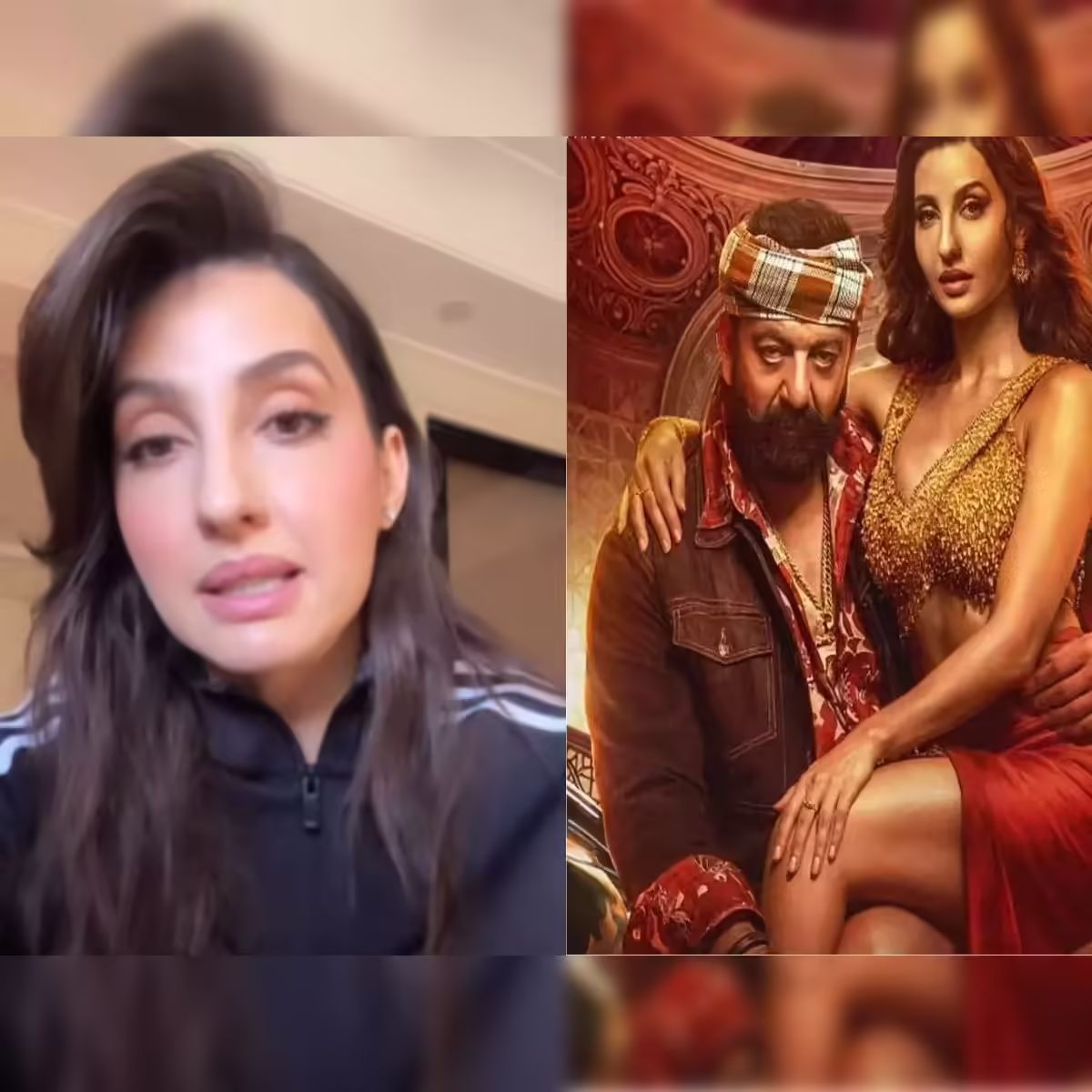




The Indian entertainment industry is no stranger to song related scandals, but the latest uproar surrounding the track Sarke Chunariya has reached unprecedented heights. Featuring dance sensation Nora Fatehi and veteran actor Sanjay Dutt, the song from the upcoming film KD: The Devil faced immediate backlash upon its release in March 2026. Critics and fans alike flagged the lyrics as vulgar and sexually suggestive, leading to a nationwide debate that eventually reached the halls of Parliament.
As the controversy intensified, Nora Fatehi took to social media to clarify her stance. Her response highlights the complexities of performing in pan India projects where language barriers and creative control often clash.
Nora Fatehi Responds to Global Backlash
After days of silence while the song was being scrubbed from YouTube, Nora Fatehi released a video statement to address her followers. The actress expressed her gratitude to the public for their vigilance, noting that the collective outcry finally forced the makers to withdraw the offensive content. Nora revealed that she had personally raised concerns about the Hindi lyrics during the dubbing process, calling them “objectionable” even before the public release.
In her statement, she urged fans to stop sharing snippets of the video, explaining that continued circulation only gives the song unnecessary promotion. She also addressed the personal attacks she has faced, stating that it was unfortunate to see people using this situation as an opportunity to attack her character. Nora emphasized that as a performer, she often relies on the creative team for translations in languages she does not fully understand, such as Kannada.
A Massive Setback for KD The Devil
The song was intended to be a major promotional tool for the period action drama KD: The Devil, which stars Dhruva Sarja and is set in 1970s Bengaluru. However, the plan backfired spectacularly. The Hindi version of Sarke Chunar Teri Sarke was slammed for its heavy use of double meaning metaphors that many felt crossed the line into obscenity.
The backlash was not limited to anonymous social media users. High profile figures like singer Armaan Malik and actress Kangana Ranaut publicly condemned the track. Malik described the song as a “new low” for commercial songwriting, while Ranaut called for stricter regulations on Bollywood content. The intensity of the reaction led the Ministry of Information and Broadcasting to intervene, resulting in an official ban on the track.
The Lyricist Distances Himself from the Song
Adding another layer to the drama, the Hindi lyricist Raqeeb Alam also issued a clarification. Alam claimed that he did not actually write the controversial verses. According to his statement, the lyrics were a literal translation of the original Kannada version provided by the film’s director, Prem.
Alam stated that he had initially refused to work on the song, warning the team that the content would never pass the censors. He claimed the producers insisted on a word for word translation to fit the musical meter. The lyricist expressed his own sense of humiliation, noting that his past work on major hits like Pushpa was a true reflection of his talent, unlike this translated track.
Regulatory Impact and Future Outlook
The Sarke Chunariya controversy has become a landmark case for digital content regulation in 2026. Union Minister Ashwini Vaishnaw confirmed in the Lok Sabha that the song has been banned, citing that freedom of speech is not absolute and must respect social and cultural values. This move signals a tightening of oversight for promotional songs that bypass traditional film certification by releasing directly on digital platforms.
For Nora Fatehi, this incident serves as a reminder of the risks involved in high stakes commercial projects. While she remains one of the most sought after performers in the industry, this controversy has sparked a conversation about the responsibility of actors to vet the content they represent.
Leave a Reply