

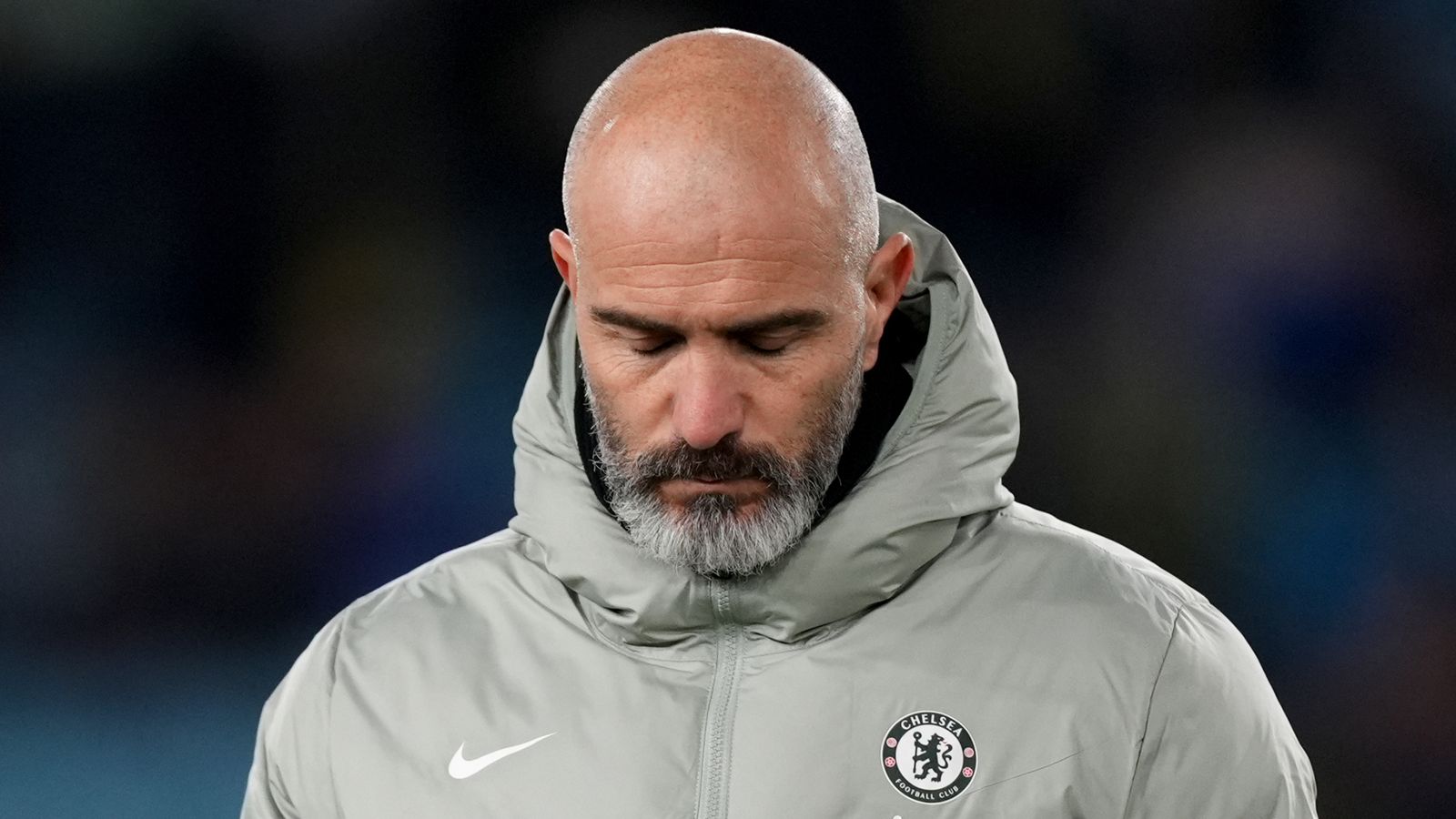




News of Enzo Maresca leaving Chelsea on New Year Day 2026 has sent shockwaves throughout the footballing world. After an eventful eighteen-month tenure that saw the Italian tactician bring home the UEFA Conference League trophy and the FIFA Club World Cup, his sudden exit has left fans reaching for answers. While a dip in form was evident, the drama occurring behind the scenes suggests the breakdown in relations went far deeper than just results on the pitch.
A Promising Start Became Suddenly Mired in Controversy
Enzo Maresca arrived at Stamford Bridge with the remit to steady the ship of a young squad. Undoubtedly, his maiden season was nothing but brilliant as he managed to secure a fourth place finish and thereby return Chelsea to the Champions League. But the 2025/2026 campaign turned for the worse with great rapidity. Indeed, although the month of November saw him clinch the Manager of the Month award for his very assuring performances, December proved to be nothing but disastrous. With just one victory in seven games in the Premier League, the Blues were fifth in the table and fifteen points behind the table toppers Arsenal.
The friction was taken public after a home draw with Bournemouth. There were reported frustrations from the fans as their team kept blowing leads, and the atmosphere at the Bridge became hostile. While poor form on the pitch served as the catalyst for change, the board felt like their objectives for the season were slipping away. They needed to make a change at the top in order to keep their Champions League aspirations for next year alive.
The Contract Leverage and the Manchester City Factor
Perhaps the most tumultuous part of this exit pertains to Maresca’s contractual situation. The Italian was initially signed on a deal set to run until June 2029. However, it has emerged that Maresca tried not so long ago to use interest from other major clubs as leverage for a new and improved deal at Chelsea.
It emerged that Maresca had told Chelsea’s hierarchy he had discussed a possible move as Pep Guardiola’s replacement with people representing Manchester City. Publicly, he played down the links with Manchester City as speculation, but the reality was different behind the scenes. Trying to use interest from Manchester City and Juventus to broker a better contract did not sit well with the Chelsea board. Instead of negotiating a new deal, the club believed these distractions were some of the reasons for the decline in performance of the team.
Disputes over Medical Data and Player Welfare
Beyond the boardrooms and contract negotiations, there were significant disagreements regarding the day-to-day management of the squad. Chelsea has invested heavily in an independent medical department designed to protect the long-term health of their stars. Conflict arose when Maresca reportedly ignored medical data concerning player workloads.
One specific point of contention involved captain Reece James. Despite his history of injuries, Maresca played him in three full matches in a single week, against explicit medical advice. The club’s hierarchy maintains that decisions on player welfare must be independent from the head coach. Maresca, for his part, grew frustrated with what he saw as a lack of backing along with interference in his tactical selections. His comments now, about experiencing his worst forty-eight hours at the club, appear a direct reference to these internal power struggles.
A New Chapter for the Blues
The end of an Enzo Maresca tenure marks the end of a short-lived but trophy-laden era. While he leaves behind a legacy of international silverware, the breakdown in communication and the contract drama made his position untenable. Chelsea fans now look toward the future, with names like Liam Rosenior and Francesco Farioli being in speculation for the vacant role.
As the club now embarks on the search for a head coach who will fall in line with an existing structure and recruitment strategy, the lesson from the Maresca era is clear: at a club as volatile as Chelsea, tactical brilliance on the pitch must be matched by a willingness to collaborate behind the scenes.
Leave a Reply