

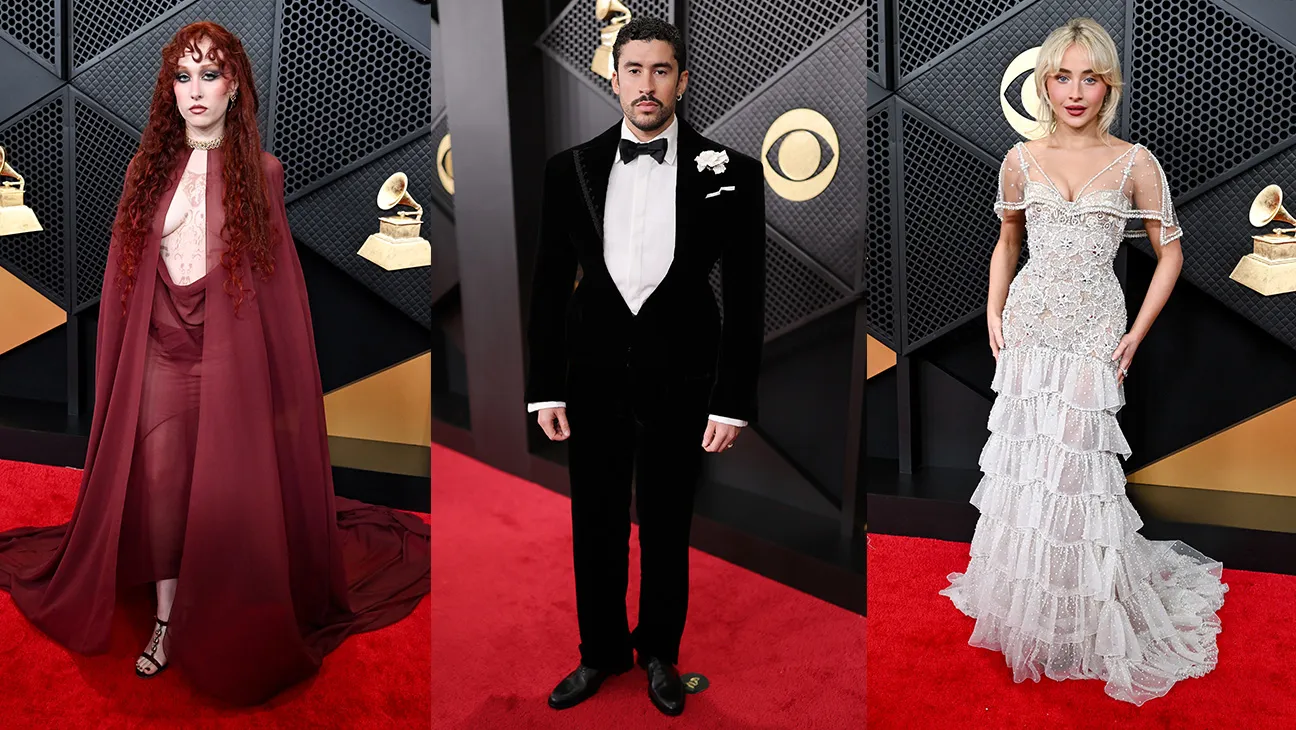




The 68th Annual Grammy Awards returned to the Crypto.com Arena in Los Angeles on February 1, 2026, delivering a ceremony that felt both like a celebration of global culture and a record breaking marathon for hip hop royalty. Hosted for the sixth and final time by Trevor Noah, the night was defined by historic firsts, emotional speeches, and performances that pushed the boundaries of live television.
Bad Bunny Makes History with Album of the Year
The biggest story of the night was undoubtedly Bad Bunny. When Harry Styles took the stage to announce the winner of Album of the Year, the room held its breath. Bad Bunny secured the win for his acclaimed project Debí Tirar Más Fotos, marking the first time in the 68 year history of the Recording Academy that a Spanish language album has taken home the top prize.
During his acceptance speech, an emotional Bad Bunny spoke in both English and Spanish, emphasizing that music is a universal language that transcends borders. He also used the platform to advocate for social change, famously calling for more humane treatment of immigrants. His victory represents a massive shift in how the Academy recognizes global music and urban Latin genres.
Kendrick Lamar Becomes the Rap King of the Grammys
While Bad Bunny took the final trophy, Kendrick Lamar was the most decorated artist of the evening. Following his massive success with the album GNX, Lamar won five awards, including Record of the Year for his SZA collaboration Luther.
This win was particularly significant because it officially moved Lamar past Jay Z to become the most awarded rapper in Grammy history. With 27 total gramophones to his name at only 38 years old, Lamar has solidified his status as the definitive voice of his generation. The win for Luther also featured a lighthearted moment on stage when Cher, after a teleprompter glitch, accidentally announced the late Luther Vandross as the winner before correcting herself.
Pop Excellence and the Rise of Olivia Dean
In the pop categories, the competition was fierce, but veterans and newcomers alike found their place in the sun. Billie Eilish and her brother Finneas made history by winning Song of the Year for Wildflower, making them the most awarded songwriters in that category’s history. Meanwhile, Lady Gaga reminded the world of her staying power, taking home Best Pop Vocal Album for her high energy record Mayhem.
One of the most touching moments of the night was the crowning of British singer Olivia Dean as Best New Artist. Her soulful performance earlier in the night had already charmed the audience, and her tearful acceptance speech dedicated to her immigrant grandmother received a standing ovation.
Unforgettable Performances and Legacy Tributes
The 2026 Grammys will also be remembered for its theatrical staging. Sabrina Carpenter delivered a high camp performance of Manchild set in a stylized airport, while Justin Bieber’s stripped back rendition of Yukon was hailed by critics as one of the best vocal performances of his career.
The In Memoriam segment was equally powerful, featuring Lauryn Hill, Post Malone, and Reba McEntire. They paid tribute to late icons like Ozzy Osbourne and D’Angelo, ensuring the legends who shaped the industry were remembered with the gravity they deserved. Additionally, director Steven Spielberg officially achieved EGOT status during the night, winning his first Grammy for the music film Music by John Williams.
As the curtain falls on the 2026 Grammys, it is clear that the landscape of music is more diverse and politically engaged than ever before. From the dominance of rap and reggaeton to the enduring brilliance of pop icons, this year’s ceremony was a vivid reminder of the power of sound.
Leave a Reply