

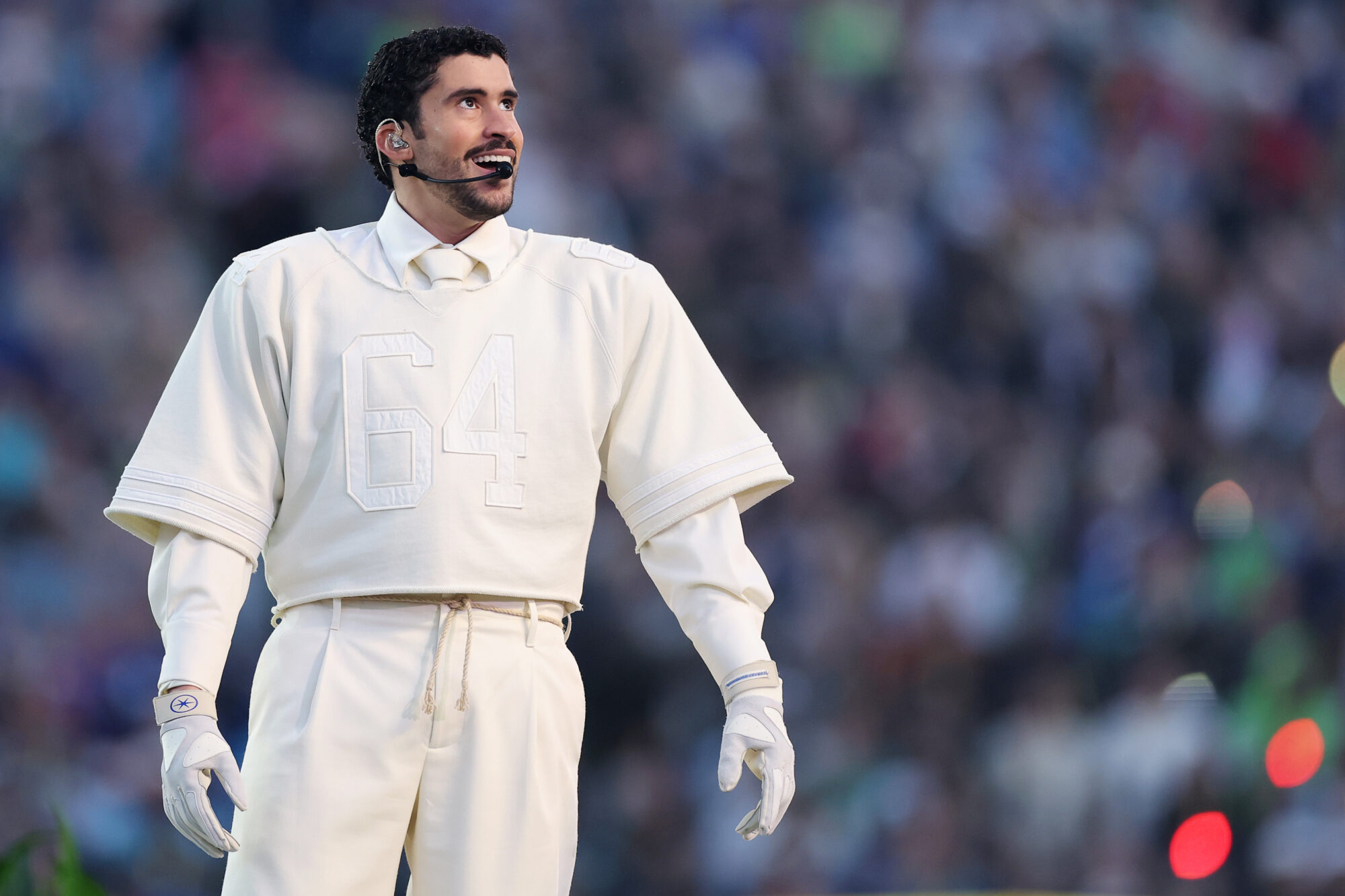




The world of music and sports collided in a historic way on February 8, 2026, when Bad Bunny took the stage at Levi’s Stadium in Santa Clara, California. As the headliner for the Apple Music Super Bowl LX Halftime Show, the Puerto Rican superstar delivered a performance that transcended mere entertainment. In a career defining moment, Benito Antonio Martínez Ocasio became the first solo Latin artist to perform a set almost entirely in Spanish on the biggest stage in American television.
From the vibrant rhythms of reggaeton to the deep cultural nods to his homeland, the show was a masterclass in representation and artistic pride. Here is a look at why this performance is being hailed as a landmark cultural milestone.
A Cultural Celebration on the 50 Yard Line
Bad Bunny did not just perform for the Super Bowl; he brought the essence of Puerto Rico to the field. The set design was a lush tribute to the Caribbean, featuring palm trees, sugarcane farmers in traditional pava hats, and even a piragua cart. The performance began with the global smash hit “Tití Me Preguntó,” immediately setting a high energy tone that resonated with the millions watching around the world.
Unlike many performers who attempt to “cross over” by singing in English, Bad Bunny stayed true to his roots. By performing his hits like “Yo Perreo Sola” and tracks from his Grammy winning album “Debí Tirar Más Fotos” in Spanish, he proved that music is a universal language. This move was not just a stylistic choice but a powerful statement of identity during a time of significant cultural conversation.
Surprise Guests and Iconic Collaborations
While the “King of Latin Trap” was the undisputed star, he was joined by a roster of legendary talent that bridged genres and generations. In one of the most talked about moments of the night, Lady Gaga joined Bad Bunny for a salsa inspired rendition of her song “Die With a Smile.” The fusion of Gaga’s powerhouse vocals with a Latin rhythmic twist created a crossover moment that lit up social media instantly.
The legendary Ricky Martin also graced the stage, bringing a sense of legacy to the performance. Their collaboration served as a passing of the torch, connecting the pioneers of the Latin Pop explosion of the late nineties with the current global dominance of reggaeton. These guest appearances emphasized the theme of the night: a “huge party” where everyone was invited to dance.
More Than Music: A Real Wedding and Political Pride
Bad Bunny is known for his ability to shock and inspire, and Super Bowl LX was no exception. Midway through his thirteen minute set, the artist actually officiated a real wedding live on the field. A couple who had originally asked him to perform at their nuptials found themselves exchanging vows in front of over one hundred million viewers. This genuine moment of love added a layer of intimacy to the massive spectacle.
The performance also touched on deeper themes. Wearing a white jersey with “Ocasio 64” on the back, Bad Bunny paid tribute to his family and his heritage. He also performed “El Apagón,” a song that references the chronic power outages in Puerto Rico. Through his art, he highlighted the resilience of his people, turning the halftime show into a platform for both celebration and awareness.
The Global Impact of the Benito Bowl
The 2026 Super Bowl halftime show will be remembered as a turning point for the NFL and its efforts to engage with the global Latino community. While the selection of Bad Bunny faced some political backlash prior to the game, the sheer quality and energy of the show silenced critics. It was a night where the “heartbeat dance” took precedence over everything else.
As the fireworks faded into the shape of the Puerto Rican flag and the jumbotron displayed the message, “The only thing more powerful than hate is love,” it was clear that Bad Bunny had accomplished exactly what he set out to do. He didn’t just play the Super Bowl; he changed the game for Latin artists everywhere.
Leave a Reply